
Introduction
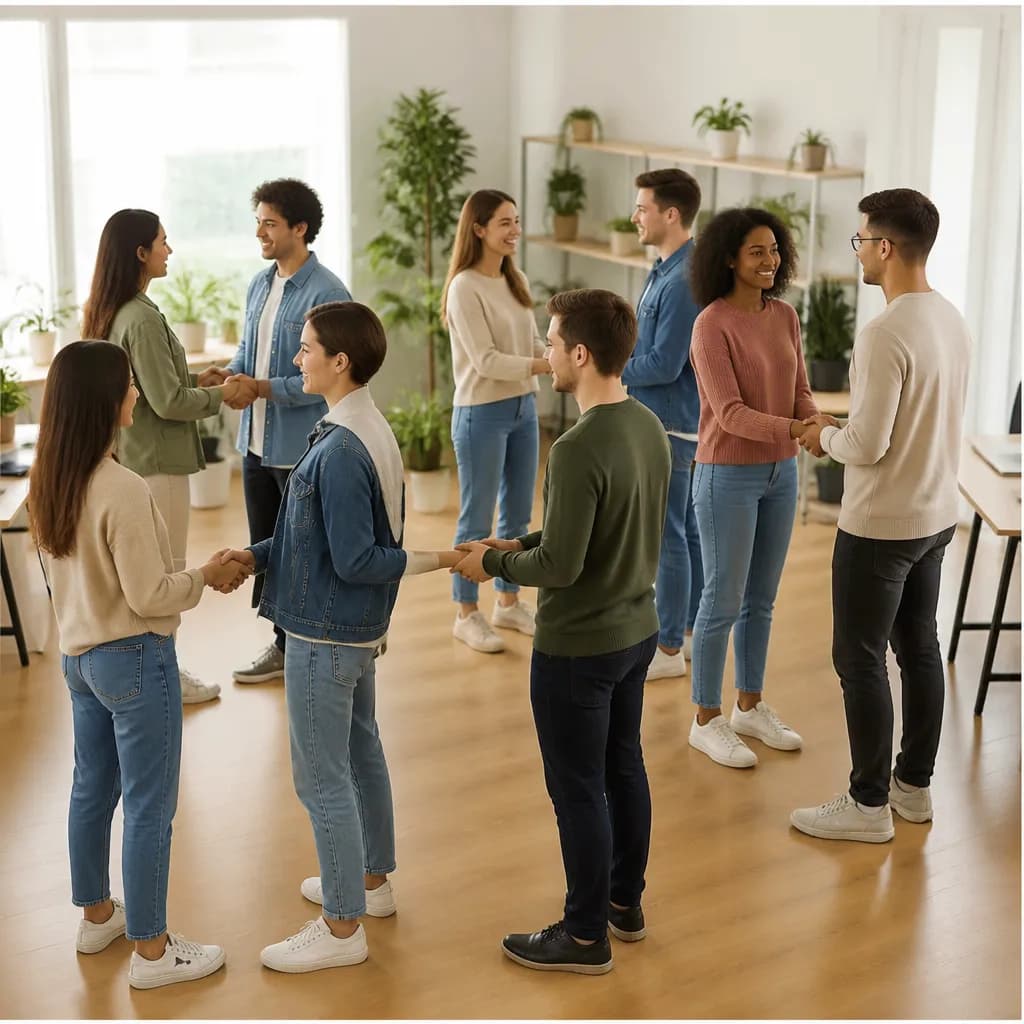
When planning game events, especially those involving contests or giveaways, one of the main challenges is ensuring that participants do not repeat couples in different rounds. This not only keeps the event fresh but also encourages interaction among all participants. In this article, we will explore practical methods to organize multiple rounds without repeating couples.
Strategies for Organizing Rounds
1. Use a Pairing System
One of the most effective methods is to implement a pairing system. This system can be manual or digital, and its function is to record the pairs formed in each round. Here’s how to do it:
- Initial Registration: Start by listing all participants. You can assign them numbers or letters for easier pairing.
- First Round: Randomly select pairs for the first round and ensure they are recorded on your list.
- Subsequent Rounds: For each new round, refer to your list and avoid pairing those who have already played together. This can be done manually or using software tools that facilitate the process.
2. Implement a Rotation Algorithm
If you prefer a more automated approach, consider using a rotation algorithm. This method schedules pairs in such a way that everyone ends up playing with everyone else by the end of the event. Here’s a simple example:
- Assign Numbers: Give each participant a number.
- Rotation: In each new round, rotate participants in specific positions in the list. For example, if you have six participants numbered from 1 to 6, in the second round, you could pair 1-2, 3-4, 5-6, and in the third round rotate so that no one repeats a partner.
3. Utilize Raffle Applications
Nowadays, there are numerous applications and online platforms that allow you to conduct raffles and pairings easily. These tools often include features that prevent the repetition of couples. By using platforms like SorteosUp, you can focus on the fun aspect of the event without worrying about logistics.
Practical Examples
Example of Manual Pairing
Suppose you have 8 participants: A, B, C, D, E, F, G, H. The organization of the first rounds might be:
- Round 1: A-B, C-D, E-F, G-H
- Round 2: A-C, B-D, E-G, F-H
- Round 3: A-D, B-C, E-H, F-G
Example Using an Algorithm
For a group of 6 people, you might use the following algorithm:
- Round 1: 1-2, 3-4, 5-6
- Round 2: 1-3, 2-5, 4-6
- Round 3: 1-4, 2-6, 3-5
Advantages of Avoiding Repeated Couples
Avoiding the repetition of couples has several benefits:
- Encourages Interaction: Participants have the chance to meet more people.
- Increases Fun: Variety in pairs can make rounds more interesting and exciting.
- Enhances Competitiveness: Changing dynamics among players can lead to new strategies and tactics.
Frequently Asked Questions
How can I ensure couples do not repeat?
Utilize a registration system or applications that allow you to keep track of already formed couples. This will help you avoid repetitions in successive rounds.
Is it better to do it manually or use software?
It depends on the group size. For small groups, a manual method may suffice. However, for larger groups, software can save time and ensure accuracy.
What if there is an odd number of participants?
If you have an odd number, consider leaving one participant as a spectator in each round or randomly pairing them with another participant in successive rounds.
Conclusion
Organizing multiple rounds without repeating couples is a challenge that can be effectively managed with the right strategies. Whether using manual pairing systems, rotation algorithms, or digital tools, the key is to keep the event dynamic and engaging. Remember, variety is crucial for the success of any game or raffle event. If you want to learn more about how to manage giveaways effectively, visit SorteosUp for useful resources for your upcoming events.