How to Create Random Pairs When There Are Odd Participants
Organizing contests or giveaways can be a lot of fun, but when faced with an odd number of participants, the task of creating pairs can become complicated. In this article, we will show you how to efficiently and randomly form these pairs, ensuring that everyone has the opportunity to participate in the best way possible.
Understanding the Problem
When you have an odd number of participants, there will always be one person left without a pair. This can be an inconvenience if your goal is to ensure that everyone participates equally. Therefore, it's essential to find a solution that facilitates the creation of pairs and minimizes frustration.
Methods for Creating Random Pairs
-
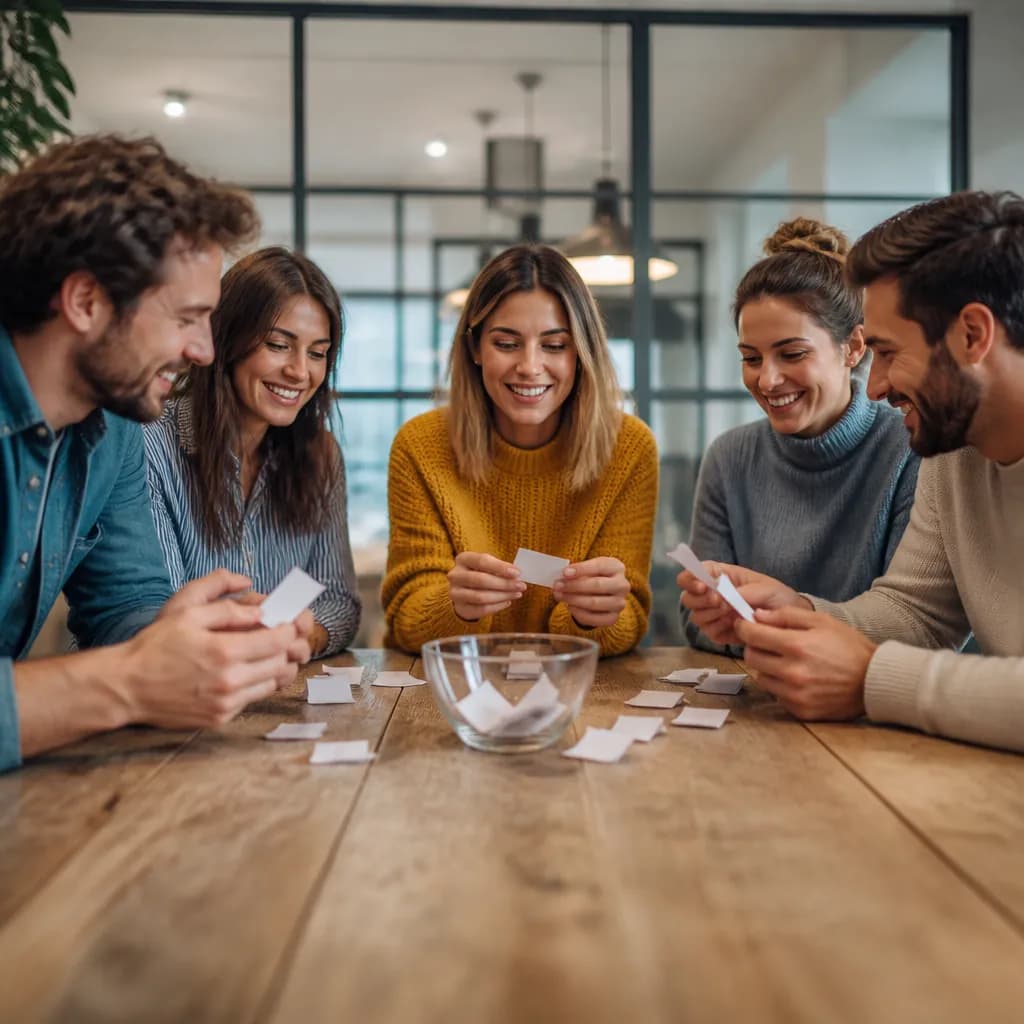
Manual Draw: One straightforward way to form pairs is to conduct a manual draw. Write the names of the participants on slips of paper and place them in a bag. Then, draw a name and pair it with the next one. Repeat until everyone is paired. If one participant is left without a partner, you can allow that player to participate in an additional round or compete for a special prize.
-
Using Digital Tools: Platforms like SorteosUp can simplify the process of creating random pairs. You can input the names of the participants and use the pairing function. This not only saves time but also ensures that the process is entirely random and fair.
-
Random List Method: Another option is to create a list of all participants and assign each a number. Then, use a random number generator to select pairs. For example, if you have 7 participants, assign numbers from 1 to 7 and use an online generator to form pairs. The drawn numbers are paired in order.
Considerations When Creating Pairs
- Equity is Key: Ensure that all participants have the same opportunity to be paired. Avoid favoritism or bias when selecting pairs.
- Deciding What to Do with the Remaining Participant: If you have an odd number, consider options like allowing the leftover participant to compete in an additional round or win a symbolic prize.
- Clear Communication: Inform all participants about the pairing process. This helps manage expectations and makes everyone feel included in the giveaway dynamics.
Example of Forming Pairs
Imagine you have 9 participants in a contest. You can use the manual draw method: write the names on slips of paper and draw them randomly. Once you've formed 4 pairs, the ninth participant can have a knockout round against one of the winners from the already formed pairs. This not only keeps the excitement alive but also allows everyone to have a chance to win.
Frequently Asked Questions
What should I do if I have an odd number of participants?
You can form pairs and allow the leftover participant to compete in an additional round or win a special prize.
Is a manual draw or digital method better?
Both methods have their advantages. The manual method is more personal, while the digital method is quicker and avoids biases.
How do I ensure that the draw is fair?
Make sure that everyone has an equal opportunity to be selected and clearly communicate the process to participants.
Conclusion
Creating random pairs with an odd number of participants may seem challenging, but with the right methods, it is entirely manageable. Whether through manual draws, using digital tools, or random lists, you can ensure that everyone participates fairly and enjoys the experience. Don't hesitate to implement these tips in your next giveaway and relish the excitement it generates! For more information on organizing your giveaways, visit SorteosUp.